Energy Management System (EMS)
A leading industrial manufacturing facility (example: fume hood manufacturer) aimed to optimize energy consumption, reduce operational costs, and improve visibility across its utilities and shop floor systems.
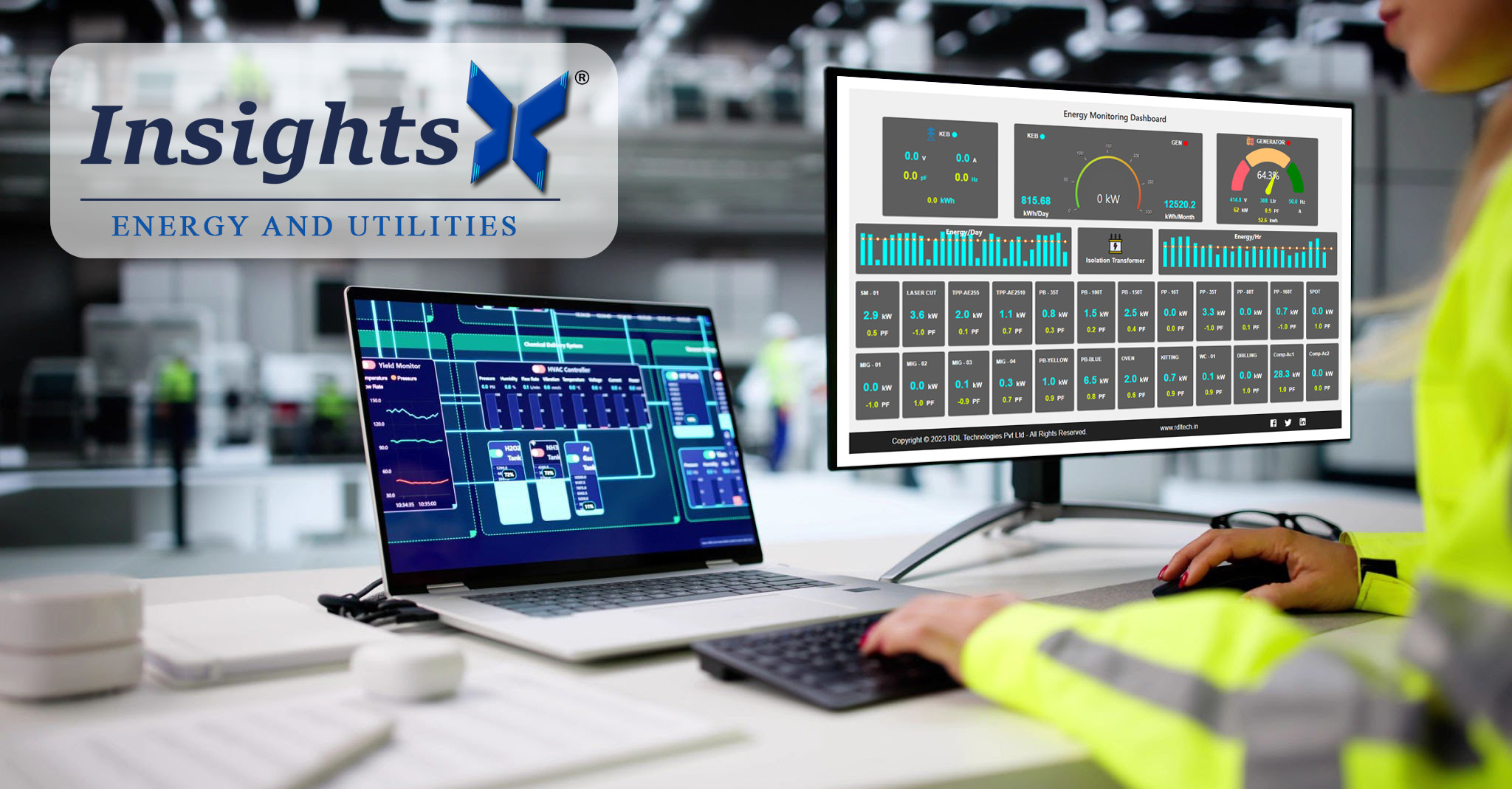
A leading industrial manufacturing facility (example: fume hood manufacturer) aimed to optimize energy consumption, reduce operational costs, and improve visibility across its utilities and shop floor systems.
 Manual data collection leading to human errors and inaccurate readings.
Limited visibility with localized monitoring systems.
No clear identification of energy wastage or inefficiencies.
Lack of real-time alerts for failures or disturbances.
Meter data used only for billing, not for analytics or optimization.
Difficulty in identifying root cause of anomalies and breakdowns.
Manual data collection leading to human errors and inaccurate readings.
Limited visibility with localized monitoring systems.
No clear identification of energy wastage or inefficiencies.
Lack of real-time alerts for failures or disturbances.
Meter data used only for billing, not for analytics or optimization.
Difficulty in identifying root cause of anomalies and breakdowns.
 Monitor energy usage in real-time across machines and circuits.
Provide centralized dashboards and analytics.
Enable predictive failure detection and anomaly alerts.
Deliver data-driven insights for optimization.
Support cloud or on-premise deployment.
Monitor energy usage in real-time across machines and circuits.
Provide centralized dashboards and analytics.
Enable predictive failure detection and anomaly alerts.
Deliver data-driven insights for optimization.
Support cloud or on-premise deployment.
 Monitoring & Analytics
  Advanced
Insights
Advanced
Insights  Intelligent Alerts
  Predictive Capabilities
  Operational Improvements
  Cost Optimization
  Reliability & Maintenance
  Productivity Gains
  Sustainability Impact Data-driven energy management can significantly reduce
operational costs.
Real-time monitoring + predictive analytics = higher
uptime & efficiency.
EMS transforms energy from a cost center into a
controllable asset.
Essential step for industries moving toward Industry
4.0 & smart factories.
Sustainability Impact Data-driven energy management can significantly reduce
operational costs.
Real-time monitoring + predictive analytics = higher
uptime & efficiency.
EMS transforms energy from a cost center into a
controllable asset.
Essential step for industries moving toward Industry
4.0 & smart factories.
The implementation of the RDL Energy Management System helped the client transition from reactive operations to proactive, intelligent energy management. By leveraging IoT, analytics, and automation, the organization achieved measurable improvements in efficiency, cost savings, and sustainability, making EMS a critical pillar of its digital transformation journey.