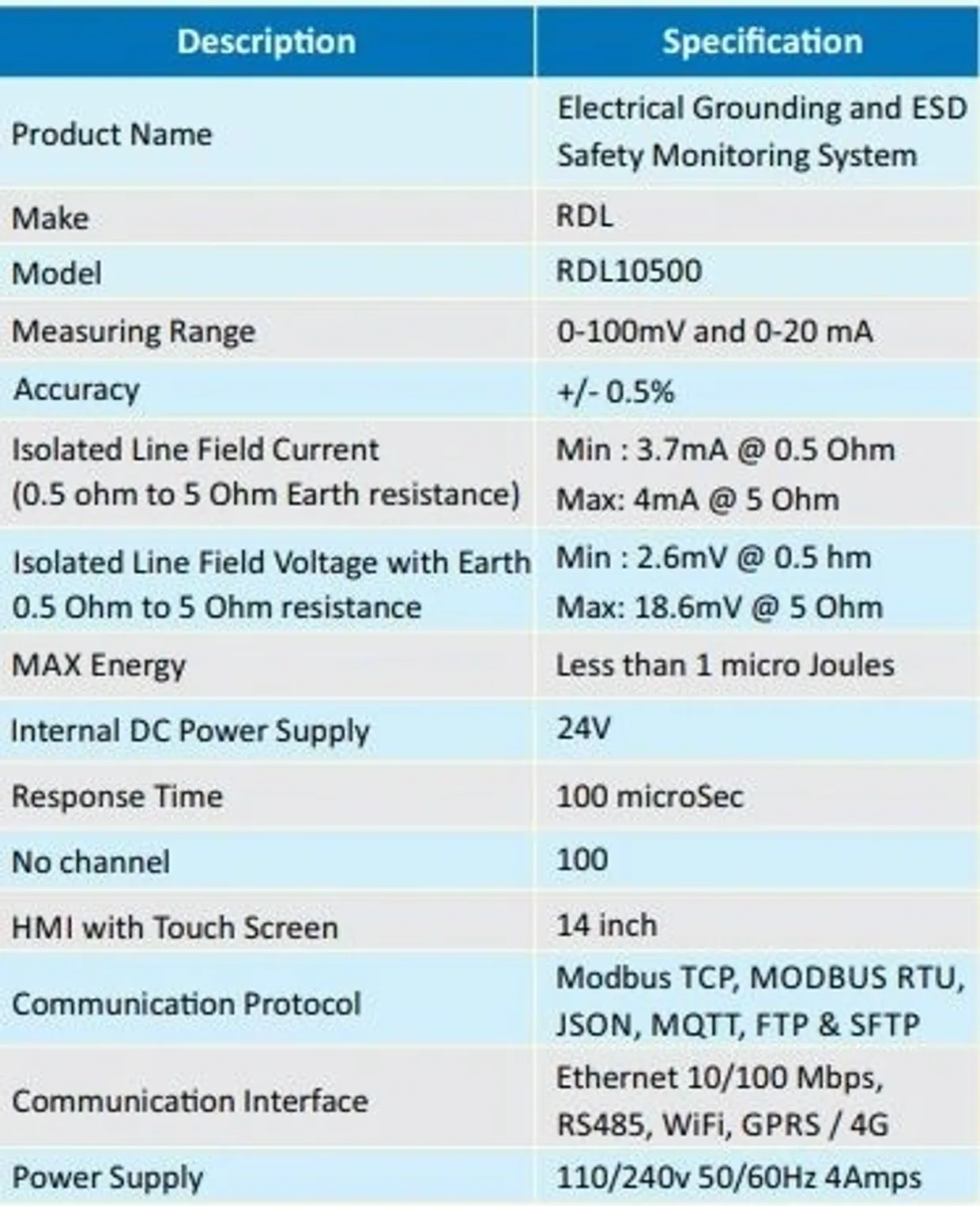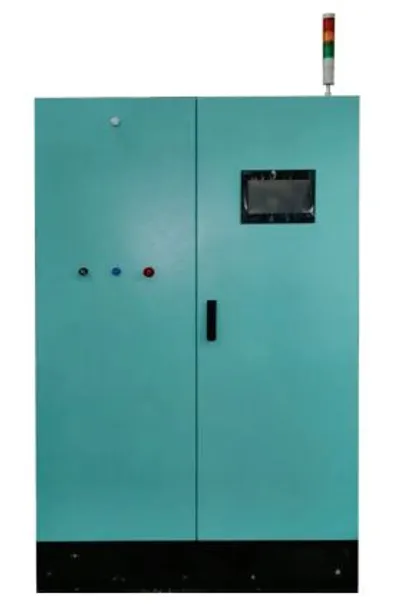
Electrical Grounding & ESD Safety Monitoring System proactively alerts and protects damage to critical
infrastructure. The System monitors and measures electrical ground connectivity & its resistance, to
indicate presence of a safe path for the dissipation of fault currents that occur during events like
lightning strikes, poor grounding & static discharges. RDL’s Cutting -Edge solution not only ensures
compliance to safety standards but ensures higher uptime in potentially hazardous environments and static
protected areas.
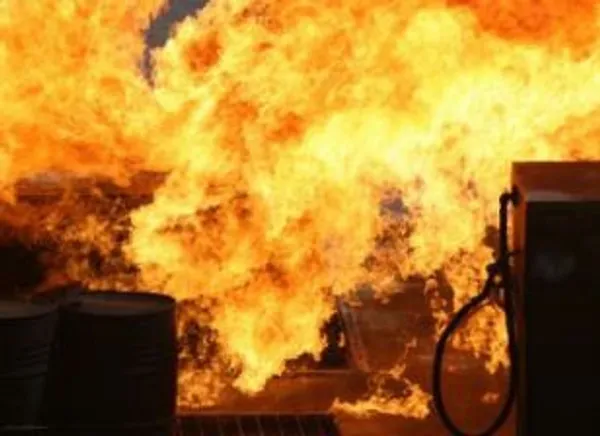
ESD safe path for the dissipation connectivity requires focused monitoring as it can cause harmful impact
to the work environment, including explosion in gas, flammable vapor and coal dust, as well as failure of
solid state electronics components such as integrated circuits.
Static electricity results from the interaction of dissimilar materials. This can occur when materials are
rubbed together, such as in the classic example of walking across a carpet on a dry winter day while
wearing woolen socks. However, static discharges can also develop when a liquid passes through a pipe,
through an opening into a tank, and/or when mixing or agitating the mixture.
The liquid is moving different electrons from one to another, and the friction of electrons creates static
electricity.An electrostatic discharge (also called a static spark) is a discharge of electricity across a
gap between two points not in contact, resulting from a difference in electrical potential. The spark
produced when the electrical charge jumps across the gap usually contains enough energy to ignite
flammable vapors if they are in concentrations that will sustain combustion. The generation.
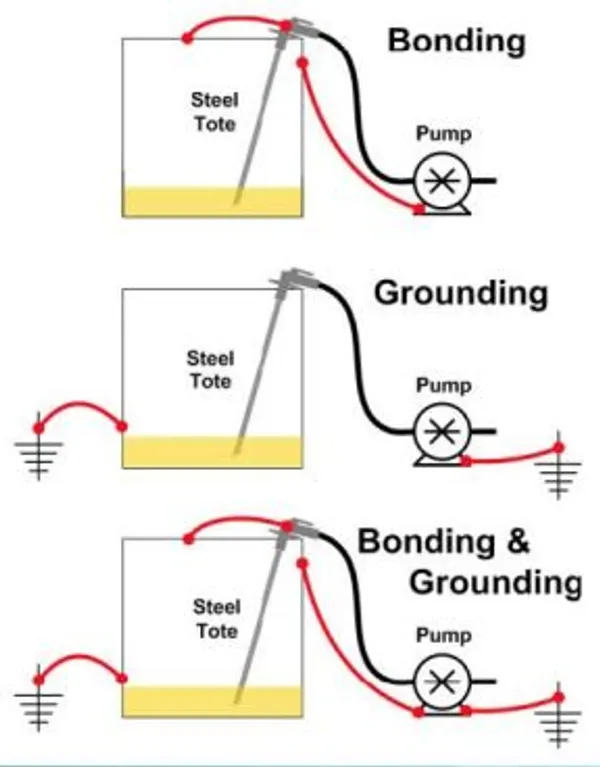
The two most important ways to prevent static sparks are~ bonding and grounding.
Bonding: Bonding is done to eliminate the difference in electrical potential between two or more objects.
Bonding will not eliminate the static charge, but will equalize the potential between the objects bonded
so that a spark will not occur between them.
Grounding :To ensure that a static charge will not create a spark as a result of this difference, a
conductive path must be provided to the earth.
Transferring a liquid from one metal container to another may result in static electrical sparks. To prevent
the build up of static electricity and prevent sparks from causing a fire, it is important to bond metal
dispensing and receiving containers together before pouring. Bonding is done by making an electrical
connection from one metal container to the other. This ensures that there will be no difference in
electrical potential between the two containers and, therefore, no sparks will be formed.
Bonding and grounding are needed when dispensing flammable liquids from storage drums to smaller
electrically conductive containers. Similarly, whenever you transfer these liquids between conductive
containers in any work areas, for example, when filling or draining dip tanks, mixers, rinse tanks or other
equipment, bond both containers together and ground one of them. Check bonding and grounding connections
regularly to ensure they are in good condition.


Many of the frequently used insulating materials in cleanrooms, such as plate glass, Teflon and polymers,
are construction items that can become highly charged during normal everyday operations.
Individual workstations are a potential concern for static build-up, as is the use of stainless steel work
surfaces compared with static dissipative work surfaces. Conductive work surfaces can also be considered a
current-carrying hazard to both people and ESD-sensitive devices.
Besides static electricity, the issue around electrostatic attraction (ESA) is also important to control.
Avoiding ESA improves the general cleanliness in a healthcare environment by reducing the risk of hospital
infections carried by airborne contaminants, which may otherwise be attracted to the charged
surfaces.
Medical instruments and specifically data processing equipment can be susceptible to ESD, especially when
electromagnetic compatibility does not cover the complete system of instrumentation.